Summer in Needham can feel suddenly urgent. A single humid afternoon makes you notice the old window unit that never cooled evenly, or the central system that coughs and cycles every twenty minutes. Choosing a high-efficiency air conditioner matters not just for monthly bills, but for comfort, indoor air quality, and the lifespan of the system. Below I lay out practical steps, trade-offs, and local considerations so you can make a confident decision and avoid the mistakes I’ve seen homeowners make after a rushed purchase.
Why efficiency matters, beyond the sticker Energy-efficiency is not a slogan. It translates into fewer kilowatt-hours, a quieter compressor, and less stress on your ductwork and electrical panel. A higher SEER rating generally means lower cooling bills, but that benefit is tied to how the system is sized, installed, and controlled. A top-rated unit poorly installed will perform worse than a modest-efficiency system done correctly.
If you replace a 10-year-old unit with a model rated 16 SEER, expect cutbacks in seasonal cooling energy of roughly 20 to 40 percent depending on your usage and the home’s envelope. Those are ballpark ranges because your actual savings depend on insulation, thermostat habits, and hours of operation. In Needham, where summers are warm but not extreme like the Southwest, the sweet spot often lies between 16 and 20 SEER for central air systems when you balance upfront cost with long-term savings.
Sizing is not optional The first technical step is a proper load calculation. That means a Manual J assessment, not rules of thumb. I’ve seen contractors replace a noisy 3-ton unit with a 2.5-ton machine because the homeowner wanted to save money, only to find the smaller unit short-cycling and never reaching setpoint. Short cycling raises electric costs, increases humidity, and shortens the compressor life.
What a Manual J evaluates: square footage, ceiling height, insulation levels, window orientation and shading, air infiltration, number of occupants, and internal heat sources like kitchens or lighting. Expect local HVAC contractors to charge for a thorough load calc or to include it in the estimate. If they skip it, push back.
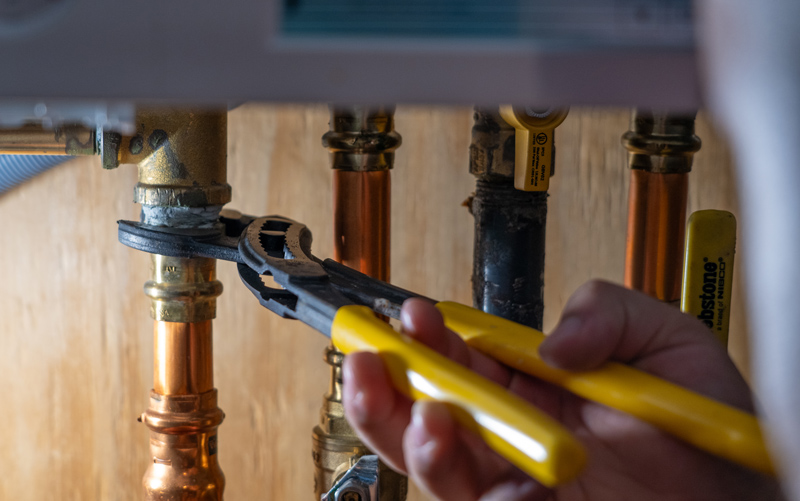
Ductwork and airflow A high-efficiency outdoor unit cannot compensate for leaky or undersized ducts. Duct leakage of 20 to 30 percent is not uncommon in older homes, and you feel that loss as rooms that never reach their target temperature. Before picking a new condenser, inspect duct insulation and sealing, and measure static pressure if possible. Simple fixes include sealing major seams with mastic and insulating accessible ducts to R-6 or better if they run through unconditioned spaces.
If your contractor suggests a “match” with indoor coil and air handler, make sure they explain the coil’s external static pressure limits. Some high-efficiency units use more restrictive coils that require fan motors with different performance curves. That matters for low-sound operation and dehumidification.
Single-stage, two-stage, and variable-speed: how to decide Single-stage compressors run at full capacity until they reach the thermostat setpoint. They are less expensive upfront but more likely to short-cycle. Two-stage models offer a lower stage for mild days and a higher stage for peak loads, improving comfort and efficiency. Variable-speed compressors adjust continuously, delivering steadier temperatures and superior humidity control. They also reduce inrush current and can make smaller homes feel more comfortable at lower SEER ratings than single-stage units.
A homeowner with high humidity concerns or an open-plan living area should consider variable-speed or at least two-stage units for better dehumidification and quieter operation. If your highest priority is budget and you only need basic cooling, a well-installed single-stage unit still works, but accept the compromises.
Refrigerants and servicing Modern high-efficiency systems typically use R-410A or newer blends. Handling refrigerants requires EPA Section 608 certification for the technician. Verify that the HVAC contractor you hire has certified technicians on staff and carries appropriate recovery equipment. Improper handling can lead to fines and system damage. Also ask about the contractor’s policy on refrigerant leaks; reputable companies will trace and repair leaks rather than simply recharge the system.
Controls, thermostats, and zoning A good thermostat can improve the effective efficiency of any AC. Programmable and smart thermostats allow setback schedules and remote diagnostics, which can shave energy use and reveal issues early. Zoning is attractive for multi-level homes or where occupant schedules vary, but it is expensive and requires careful design to avoid imbalanced pressure in the house.
If you use a smart thermostat, make sure it is compatible with the system’s equipment—particularly with variable-speed air handlers that require a continuous 24V common wire or open protocol compatibility. Ask your HVAC contractor to show a demo of the thermostat controlling both stages on a two-stage unit or modulating on a variable system.
Budgeting and payback math Expect the installed price of a home central AC in Needham to vary widely. For a mid-sized home, a basic replacement with a single-stage 14 to 16 SEER unit might run from a low five-thousand-dollar range to the high end near ten thousand dollars depending on ancillary work. High-efficiency units with variable-speed compressors, matched coils, and upgrades to the air handler can bump the installed cost into the mid-teens. Always get line-item estimates so you see equipment, permits, labor, and any duct or electrical upgrades.
Payback depends on your electric rate and usage. If you pay for electricity at a higher residential rate or if your current system is very inefficient, a higher SEER unit will pay back faster. Consider utility rebates and Mass Save incentives which often lower the installed cost of higher-efficiency equipment. Ask the contractor to include available rebates in the estimate. If a salesperson cannot quickly identify plausible incentives, that is a red flag.
Permits, timelines, and disruption In Needham, like most Massachusetts towns, AC installation usually requires permits and an inspection. That is not paperwork for the installer alone; you should confirm who pulls the permit and how the inspection will be scheduled. Expect two to five days of disruption for a routine straight swap where the new outdoor unit drops into the old pad and no refrigerant lines or ductwork need major changes. If you add a new air handler, upgrade the electrical panel, or need line-set replacement through finished walls, plan for additional time and cost.
Choosing a contractor: three hard requirements Many homeowners focus only on equipment brand. The brand matters, but the contractor matters more. Here are three nonnegotiables when shopping for installation:
- They perform a Manual J load calculation and provide the report or summary. They are licensed, insured, and employ EPA 608 certified technicians. They provide a clear warranty on labor and equipment, with written terms.
Beyond those, look for contractors who demonstrate experience with homes like yours. Ask for recent references in Needham and examples of work similar to your installation. If you search for "AC repair in Needham MA" or "AC installation in Needham" you will find companies that provide both emergency response and scheduled installs. It is useful to know who offers emergency AC repair near me so you have a contact if the system fails during a heat wave.
Practical checklist before signing Below is a short checklist to run through before you commit to a specific system and contractor:
- Confirm a Manual J load calc was done and review the sizing recommendation. Check that refrigerant handling will be performed by EPA 608 certified techs. Verify permit responsibility and expected inspection timeline. Request line-item pricing for ductwork, electrical work, and thermostat. Ask about available rebates and whether the contractor will file them for you.
Installation details that change outcomes Small installation choices make a big difference. Matching the indoor coil to the outdoor unit is critical. Copper line set length and elevation matter for refrigerant charge; a technician who charges a unit only by sight without weighing in liquid and vapor lines risks undercharging or overcharging the system. Good installers will measure superheat and subcooling and adjust charge to manufacturer specifications rather than rely on factory preset values.
Mounting the outdoor unit on a solid level pad, leaving adequate clearance for airflow, and ensuring proper refrigerant trap bends in vertical risers are details that affect noise and longevity. Condensate management is another often-overlooked area. If the indoor unit is in an attic, make sure the contractor installs a secondary safety pan and a float switch connected to an alert or the HVAC control. Nothing spoils trust faster than an attic leak that could have been prevented.
Service and maintenance expectations Even the best system needs seasonal attention. Plan on at least annual preventive maintenance: clean coils, check refrigerant charge, inspect electrical connections, and lubricate moving parts as required. Some manufacturers void parts of their warranty if maintenance is not documented annually by a licensed contractor. Ask for a maintenance agreement and get clarity on what is included and the expected frequency.
If you need AC repair in Needham MA after installation, having the original installer on a maintenance contract will usually speed troubleshooting and reduce cost. https://andresijbr820.iamarrows.com/how-weather-affects-ac-repair-needs-in-needham-ma For emergency situations, look up local services that advertise "emergency AC repair near me" and confirm their after-hours response time and overtime rates.
Anecdote from a local install A homeowner on Cliff Road called me frustrated after a previous installer put in a 3-ton unit for a 2,200 square foot split-level. The air stayed cool downstairs but the upstairs never recovered. We ran a Manual J that showed the home needed just under 2.5 tons with improved attic insulation. The fix involved replacing the oversized unit with a right-sized 2.5-ton two-stage unit, sealing and rebalancing ducts, and adding a static pressure compatible blower. The homeowner reported lower bills and markedly improved upstairs comfort. The point: bigger is not always better.
Brand selection and warranty nuance Brands differ in regional dealer networks, compressor warranties, and availability of parts. A longer compressor warranty can be comforting, but check who services warranty claims locally. A five-year compressor warranty is common; some premium brands offer 10 to 12 years if registered and maintained per terms. Confirm whether the warranty is parts only or includes labor. Ask how long the brand keeps replacement parts; older models can become costly if parts are scarce.
Green Energy AC Heating & Plumbing Repair and local relationships Many homeowners prefer a local firm with a stable presence in Needham. Green Energy AC Heating & Plumbing Repair is one company name you may encounter while searching for a reliable local HVAC contractor that handles both installation and service. Whether you choose them or another reputable local firm, verify their experience with the exact equipment model you plan to install and ask for documented references. A local contractor familiar with Needham code and common home construction in the area reduces surprises.
Final trade-offs to consider Higher SEER, variable speed, and advanced controls improve comfort and lower bills but increase upfront cost. If you plan to stay in the home more than seven to ten years, the investment in higher efficiency often makes sense. If you expect to sell in two to four years, target a good-quality mid-efficiency unit with a strong warranty and excellent installation. Always prioritize correct sizing, proper charge, duct sealing, and a certified installer over chasing the highest SEER number at the lowest bid.
Taking the next step Begin by requesting detailed written estimates from at least two local HVAC contractors, including one that offers service for emergency AC repair near me. Ask each prospective installer to walk through the Manual J results, show where they will place the outdoor unit, outline duct and electrical work, and provide a clear timeline including permit pull and inspection. Keep the checklist above handy when comparing bids.
Choosing the right high-efficiency AC for Needham is part technical decision, part judgment about who will do the work. Get the load calc, demand good workmanship, and insist on documentation for charge and final airflow. Do that, and your next cooling season will feel noticeably different, in dollars saved and in quiet, even comfort across the house.
Green Energy AC Heating & Plumbing Repair
10 Oak St Unit 5, Needham, MA 02492
+1 (781) 776-9046
[email protected]
Website: https://greenenergymech.com